
Stepping into the world of GLP-1 receptor agonists—such as semaglutide (Ozempic, Wegovy) or tirzepatide (Mounjaro, Zepbound)—marks a transformative turning point in how you manage your metabolic health, but opening that first prescription box can naturally bring a blend of excitement and apprehension.
Phase 1: The Physical Prep — Stocking Your Support System
Before the medication even enters your system, your environment needs to change. GLP-1s work by altering your relationship with food and your body’s response to it. Preparing your kitchen and your bathroom for these changes is critical.
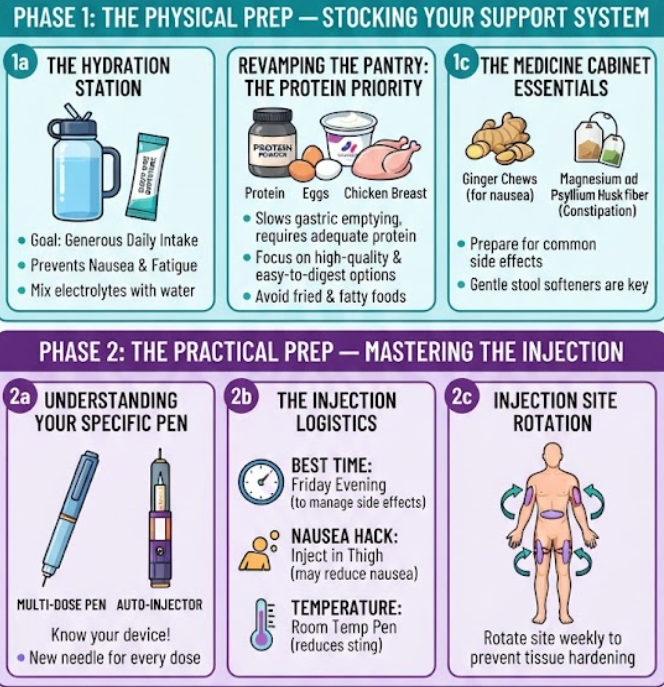
The Hydration Station
This is the single most important preparation you will make. Nausea, the most common side effect of GLP-1s, is often significantly exacerbated by dehydration. Furthermore, as your body processes fat stores, it requires immense amounts of water.
- Goal: Consume a generous amount of water daily.
- The Kit:
- A large, insulated water bottle with a straw to encourage more frequent sipping.
- Sugar-free electrolyte packets. When you are in a caloric deficit, you lose critical salts along with water. Having these on hand prevents fatigue and muscle cramps.
Revamping the Pantry: The Protein Priority
GLP-1s slow gastric emptying, meaning food stays in your stomach longer. This creates a feeling of fullness, but it also means that if you eat a high-volume meal, you may feel uncomfortably full without getting adequate nutrition. Muscle loss is a known risk of any rapid weight loss, making protein a top priority.
- The Kit:
- High-Quality Protein Powders: Simple flavors work best for quick shakes on days when food is unappealing.
- Easy-to-Digest Proteins: Greek yogurt, cottage cheese, eggs, pre-cooked chicken strips, and canned tuna or salmon.
- Avoid the Grease Trap: Remove very fatty cuts of meat, fried foods, and overly creamy sauces to protect your sensitive digestive system.
The Medicine Cabinet Essentials
Prepare for the most common digestive side effects like nausea and constipation.
- For Nausea: Ginger chews, ginger tea, peppermint oil, and over-the-counter anti-nausea options approved by your doctor.
- For Constipation: Magnesium supplements, psyllium husk fiber, prune juice, and a gentle stool softener.
Phase 2: The Practical Prep — Mastering the Injection
For many people, the act of self-injection is the primary source of anxiety. Knowing the process ahead of time will reduce stress.
Understanding Your Specific Pen
It is vital to know exactly which medication and pen you have.
- Multi-dose pens: You dial in your dose each week, attaching a new, sterile needle for every single injection.
- Single-dose auto-injector pens: There is no dialing. You press the pen firmly against your skin, press the button, and the hidden needle retracts automatically.
The Injection Logistics
- The Best Time: Many people choose to inject on a Friday evening to manage potential initial side effects over the weekend rather than at work.
- The Nausea Hack: Injecting into the thigh rather than the abdomen may result in less severe nausea for some patients.
- Temperature Tip: Take the pen out of the refrigerator briefly before your injection, as injecting cold liquid is more likely to sting.
Injection Site Rotation
You must rotate your injection site weekly to prevent the tissue under the skin from hardening, which can affect medication absorption. Popular sites include the abdomen (away from the belly button), the front outer area of the thighs, or the back of the upper arms.
Phase 3: The Psychological Prep — Setting the Right Narrative
The mental game is just as important as the physical one.
Abandoning the Diet Mindset
GLP-1s are not a traditional diet; they are a metabolic correction. Your brain’s constant food chatter will quiet down, and your body will communicate fullness much faster. Honor this signal immediately instead of pushing past it.
The Golden Rule: Start Low, Go Slow
Your starting dose is a priming dose to test your tolerance, not a maximum therapeutic dose. You may feel very little in the beginning, and that is entirely normal. Do not rush the process.
Defining Success Beyond the Scale
Weight loss is primary, but look for non-scale victories like reduced cravings, stable blood sugar, reduced joint pain, and increased daily energy.
Case Studies: Real-World Responses to GLP-1 Therapy
To understand how these protocols play out in practice, examining clinical snapshots reveals the diverse trajectories patients experience.
Case Study A: The Smooth Integrator
- Profile: A 42-year-old patient starting semaglutide for metabolic syndrome.
- Approach: Implemented aggressive daily hydration, consumed unflavored whey protein isolate shakes on low-appetite days, and committed to a Friday evening injection schedule.
- Outcome: Experienced minimal, manageable nausea limited to the first 48 hours following the initial two injections. Maintained lean mass successfully by pairing the protocol with bi-weekly resistance training, achieving a steady reduction in visceral adiposity and completely silencing baseline food noise without severe lifestyle disruption.
Case Study B: Overcoming the Plateau Trap
- Profile: A 51-year-old patient experiencing a weight loss stall at month five on a mid-tier maintenance dose.
- Approach: Consulted with their physician to step up to a higher therapeutic tier, increased daily water intake with sugar-free electrolyte replenishment, and systematically rotated injection sites from the abdomen to the thighs.
- Outcome: Successfully bypassed the metabolic adaptation phase, reigniting steady fat loss while utilizing magnesium supplementation to completely eliminate treatment-related constipation issues.
Pro Tips: What Doctors Recommend for Success
Physicians and obesity medicine specialists emphasize several field-tested strategies to optimize your therapeutic outcomes and minimize discomfort:
- Prioritize Protein First: Always consume your protein source at the very beginning of a meal before touching complex carbohydrates or fiber, ensuring your body hits its nutritional minimums before early satiety shuts down your appetite.
- Never Skip Meals Entirely: While appetite suppression will be intense, fasting completely can trigger severe reactive hypoglycemia, debilitating fatigue, and severe headaches. Eat small, bite-sized portions of soft proteins throughout the day instead.
- Time Your Hydration Around Meals: Avoid drinking massive quantities of fluids directly during or immediately after meals, as combining heavy liquids with slowed gastric emptying can stretch the stomach lining and induce acute nausea.
- Track Non-Scale Metrics Daily: Keep a log of energy levels, ring tightness, mental clarity, and food noise reduction so you do not get demoralized during natural, hormonally driven multi-week scale plateaus.
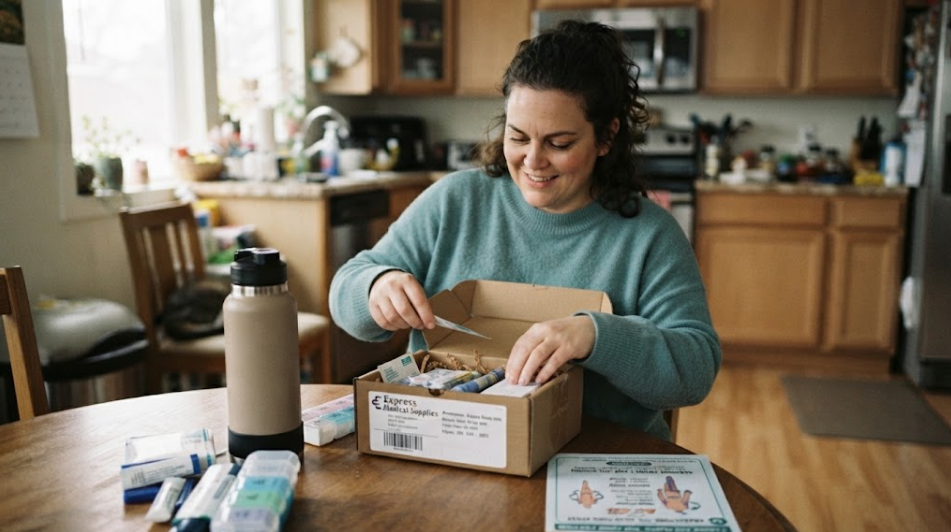
Finding the Best and Cheapest GLP-1 to Get Started
Navigating the financial landscape of GLP-1 medications requires understanding brand-name options, insurance formularies, and alternative access pathways.
- Brand-Name Options: Semaglutide (Wegovy for weight loss, Ozempic for type 2 diabetes) and Tirzepatide (Zepbound for weight loss, Mounjaro for type 2 diabetes) represent the clinical gold standards. Tirzepatide clinical data show slightly higher overall percentage loss, making it a top-tier recommendation for maximum efficacy if insurance covers it.
- Insurance Navigation: Securing coverage often hinges on proving specific comorbidities like high blood pressure, dyslipidemia, or pre-diabetes alongside a qualifying body mass index. If your initial prior authorization is denied, working with your physician to appeal with comprehensive chart notes is critical.
- Cost-Reduction Strategies: For patients facing steep commercial cash prices or formulary exclusions, exploring manufacturer savings cards, specialized compounding pharmacies under direct physician supervision, or dedicated cash-pay telehealth platforms can significantly reduce out-of-pocket overhead while maintaining pharmaceutical safety standards.
Frequently Asked Questions
- What should I do if I miss a dose of my injection? Check your specific medication guidelines, take it as soon as you remember if timing allows, but never take a double dose to make up for a missed one.
- Where is the best place on my body to inject? Common sites include the abdomen, outer thighs, or back of the upper arms, making sure to rotate locations weekly.
- Why am I not feeling appetite suppression yet? Starting doses are meant for safely building biological tolerance, with true therapeutic suppression kicking in later as you increase your dosage over time.
- How can I manage sulfur burps and nausea? Combat digestive upset by eating smaller protein-rich meals, avoiding high-fat or greasy foods, and staying aggressively hydrated.
- Do I really need to drink that much water? Yes, because slowed digestion and fat processing make you far more vulnerable to dehydration, headaches, and fatigue.
- What happens to my muscle mass while losing weight? Rapid weight loss can break down lean tissue, which you can counteract by prioritizing high-protein foods and consistent resistance training.
- Can I still drink alcohol while taking a GLP-1? Alcohol can irritate a sensitive stomach, worsen dehydration, and stall progress, so it should be approached with extreme moderation.
- What if my insurance denies coverage? If your claim is rejected, your doctor can submit a prior authorization appeal highlighting medical necessity, or you can explore alternative cash-pay options.
- Are these medications meant to be taken forever? Because obesity is viewed as a chronic metabolic condition where stopping often leads to weight regain, physicians generally treat these as long-term therapies.
- How do I know it is working if the scale stalls? Pay attention to non-scale victories like looser clothing, disappearing food noise, and improved daily stamina during natural weight loss plateaus.
The Final Word on Getting the Best GLP-1 Starter Kit at the Best Price
Embarking on your GLP-1 journey is far more than filling a prescription – it is a profound, data-backed investment in your long-term metabolic future. By arming yourself with the right physical tools, understanding the nuances of injection safety, integrating expert clinical strategies, and resetting your mindset away from outdated diet culture, you shift from a passive patient to an empowered partner in your health.
Remember that your body requires immense grace, unwavering patience, and consistent cellular nourishment as it adapts to this powerful biological shift. Trust the process, celebrate the quiet victories over food noise, and step forward into this next chapter with absolute confidence. Your transformation is a lifelong marathon rather than a temporary sprint, and you now possess the exact clinical blueprint needed to cross the finish line successfully.
———————
Sources
Here are four potential source references structured as plain text that can be used to support the medical and clinical concepts discussed in the article:
- Wilding, J. P. H., et al. (2021). Once-Weekly Semaglutide in Adults with Overweight or Obesity. The New England Journal of Medicine, 384(11), 989–1002. (Supports clinical data regarding semaglutide efficacy, weight loss trajectories, and metabolic health improvements).
- Jastreboff, A. M., et al. (2022). Tirzepatide Once Weekly for the Treatment of Obesity. The New England Journal of Medicine, 387(3), 205–216. (Provides clinical backing for tirzepatide protocols, comparative efficacy, and therapeutic tiers).
- Takács, I., et al. (2019). Management of Common Gastrointestinal Adverse Effects Associated with GLP-1 Receptor Agonists in Clinical Practice. Diabetes, Obesity and Metabolism, 21(5), 1115–1123. (Offers medical guidance on managing common side effects like nausea, slowed gastric emptying, and hydration strategies).
- American Diabetes Association (2026). Standards of Care in Diabetes—2026. Diabetes Care, 49(Suppl. 1), S1–S270. (Outlines long-term management guidelines for chronic metabolic conditions, body mass index criteria, and prior authorization/insurance navigation frameworks).
Leave a Reply